
What is Natural Capital?
Natural capital encompasses the environmental resources that shape economic potential across the Wessex Basin. Challenges like biodiversity decline and water quality issues currently constrain infrastructure development throughout the UK. BioSouth aims to catalyse the transformation of our region’s ecological health, unlocking economic opportunities across infrastructure, tourism, and hospitality sectors through enhanced natural resources. Below are key indicators of the Wessex Basin’s natural capital.
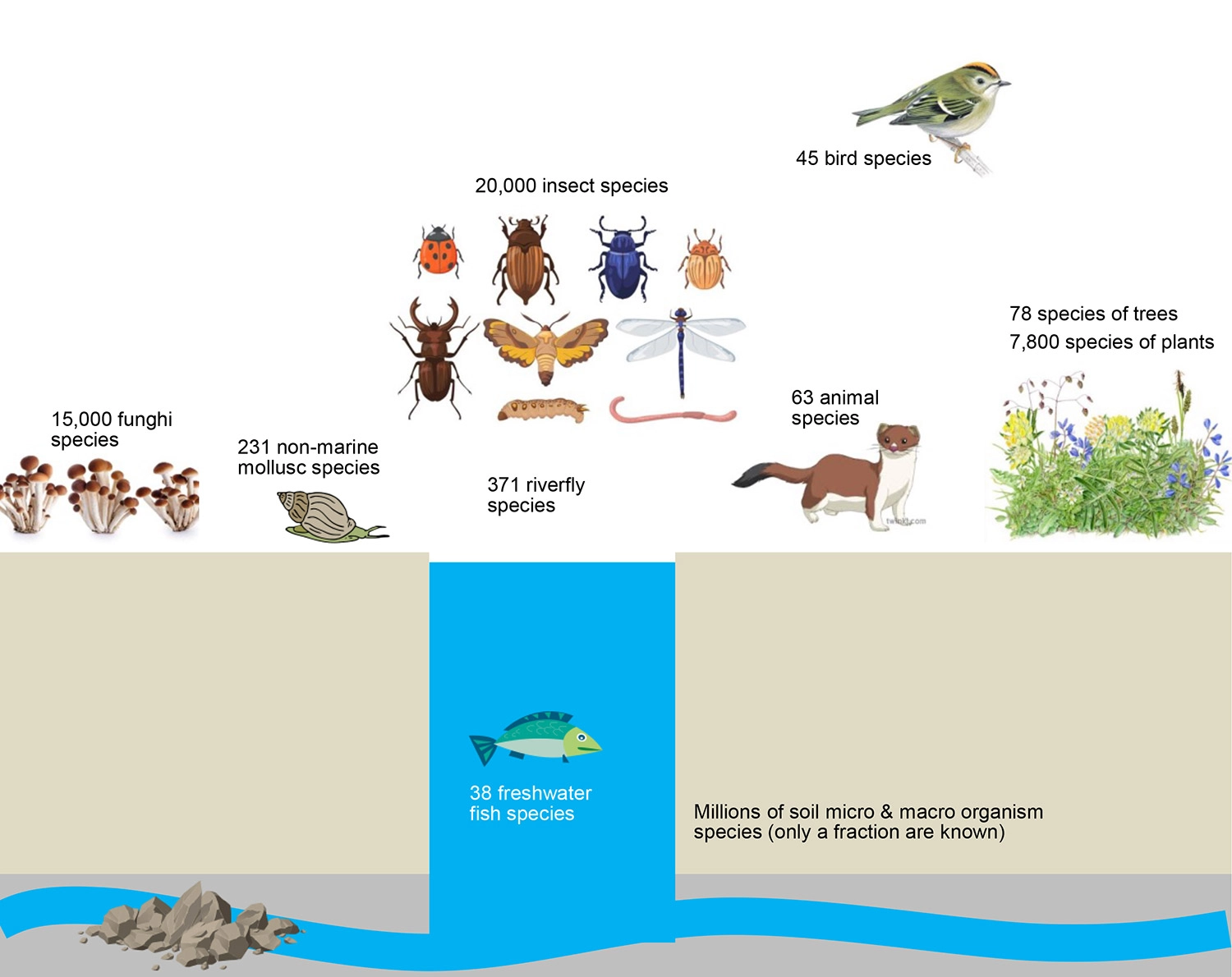
Our Biodiversity
The full extent of our biodiversity in its original state (as shown in the diagram for UK Farmland) is for the most part silent and unseen – and we are still learning about the extent of our dependence on it and the opportunities presented by its reinstatement.
Tracking biodiversity is difficult. However long-term River fly and Bird data is available from reliable sources, and together give a reasonable indication of the quantum of decline of the region’s biodiversity. Our seagrass communities, that provide a crucial resource for the region’s coastal aquatic life, provides a similar indication.
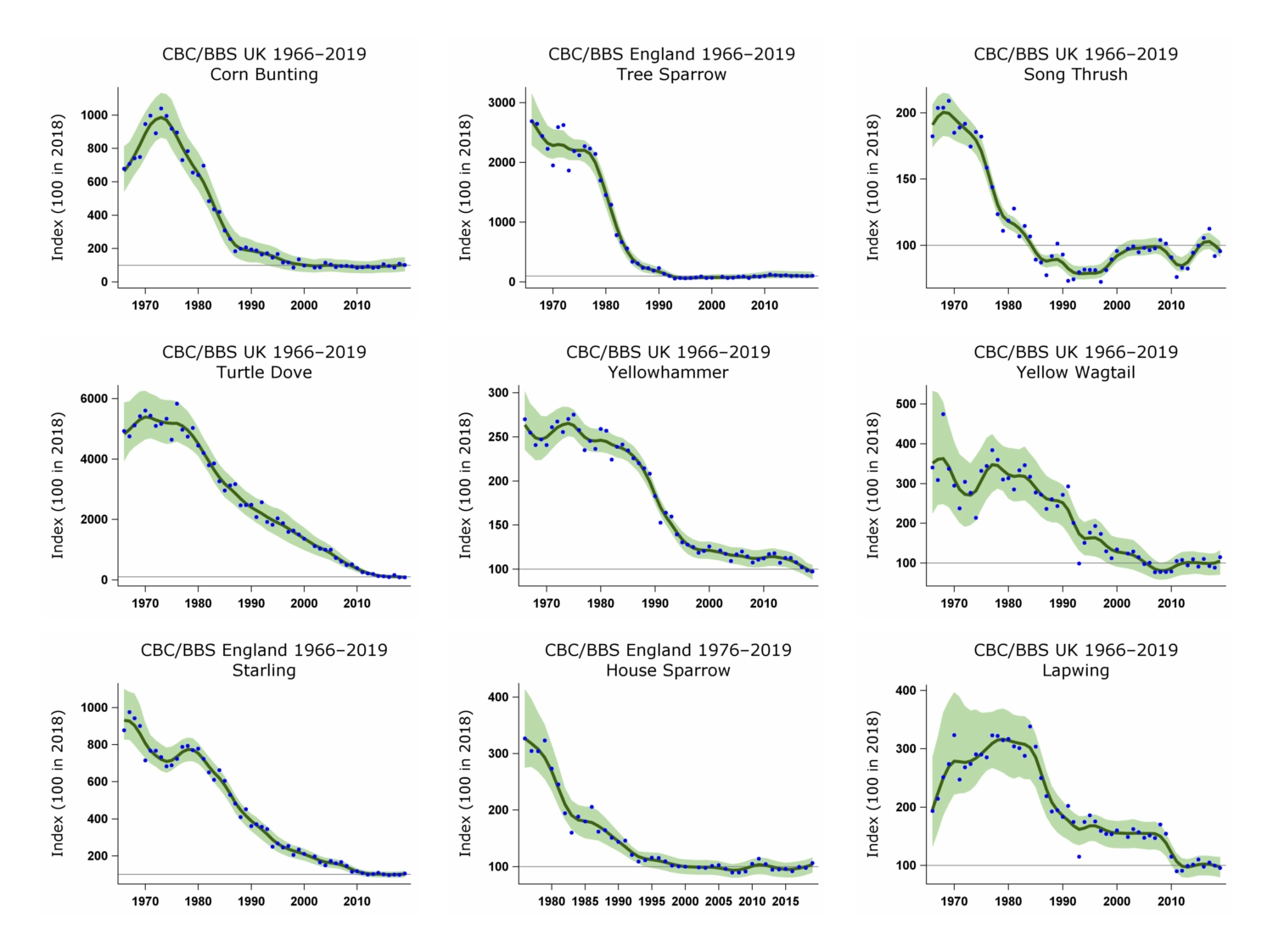
Birdlife Decline
Whilst others may argue or take a different view, smart businesses are taking responsibility for the required reinstatement programme. They see it as an opportunity to develop resilient business models for the future
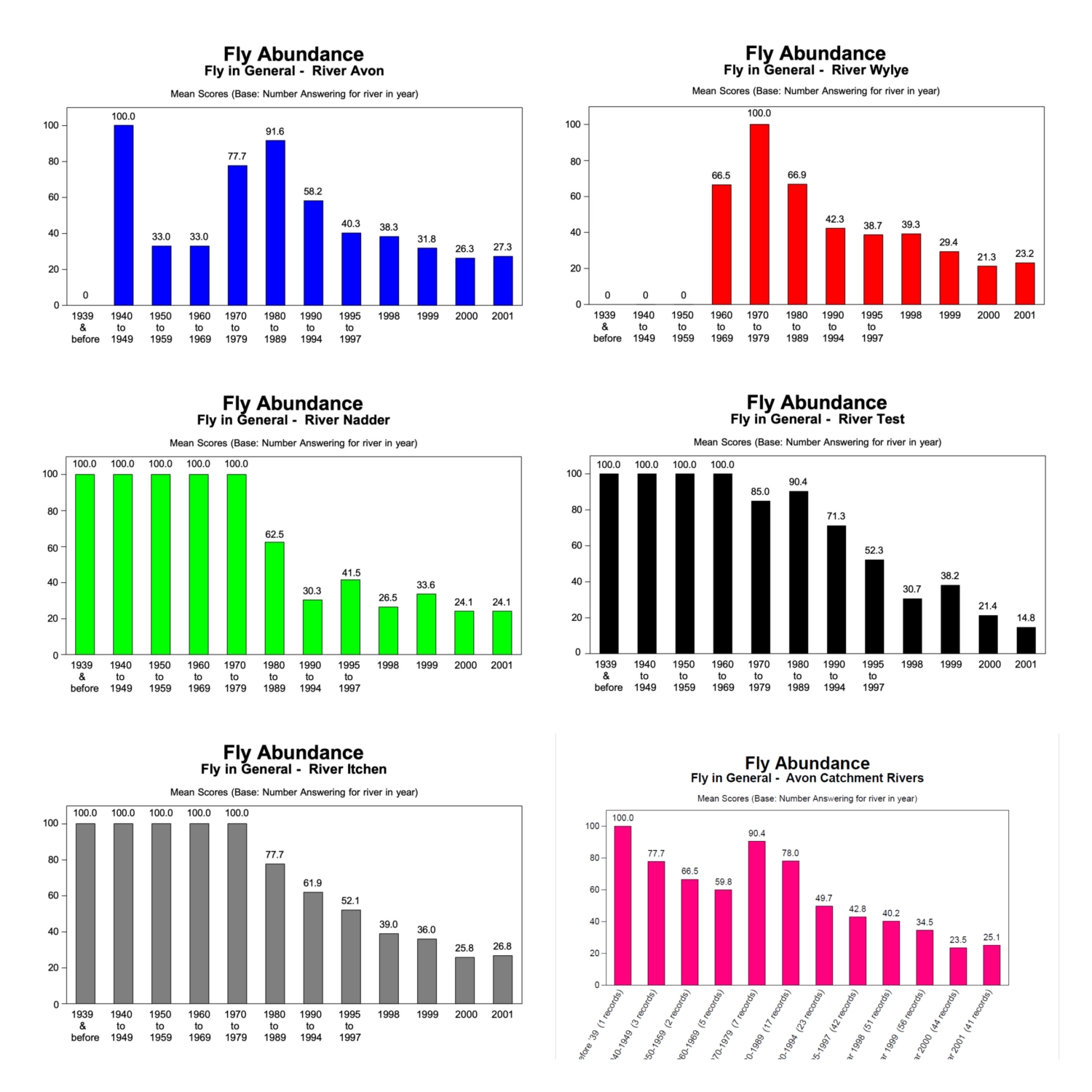
River Fly Decline
The decline in river flies in our chalk streams is apparent (See decline data sourced from Millennium Fly Abundance Study, Salmon and Trout Association (now called Salmon and Trout Conservation UK)). The River Test, the most renowned natural feature of the region, is highly esteemed by fly fishermen around the world. We consider the quantity of fly life in the river to be a dependable indicator of the state of biodiversity in the area
“It is not only their vast numbers, but the dependency of ecosystems and humanity on them, that makes the conservation of insect diversity critical for future generations”
– ‘Scientists warning to humanity on insect extinctions’ Pedro Cardoso and international consortium of authors 2020
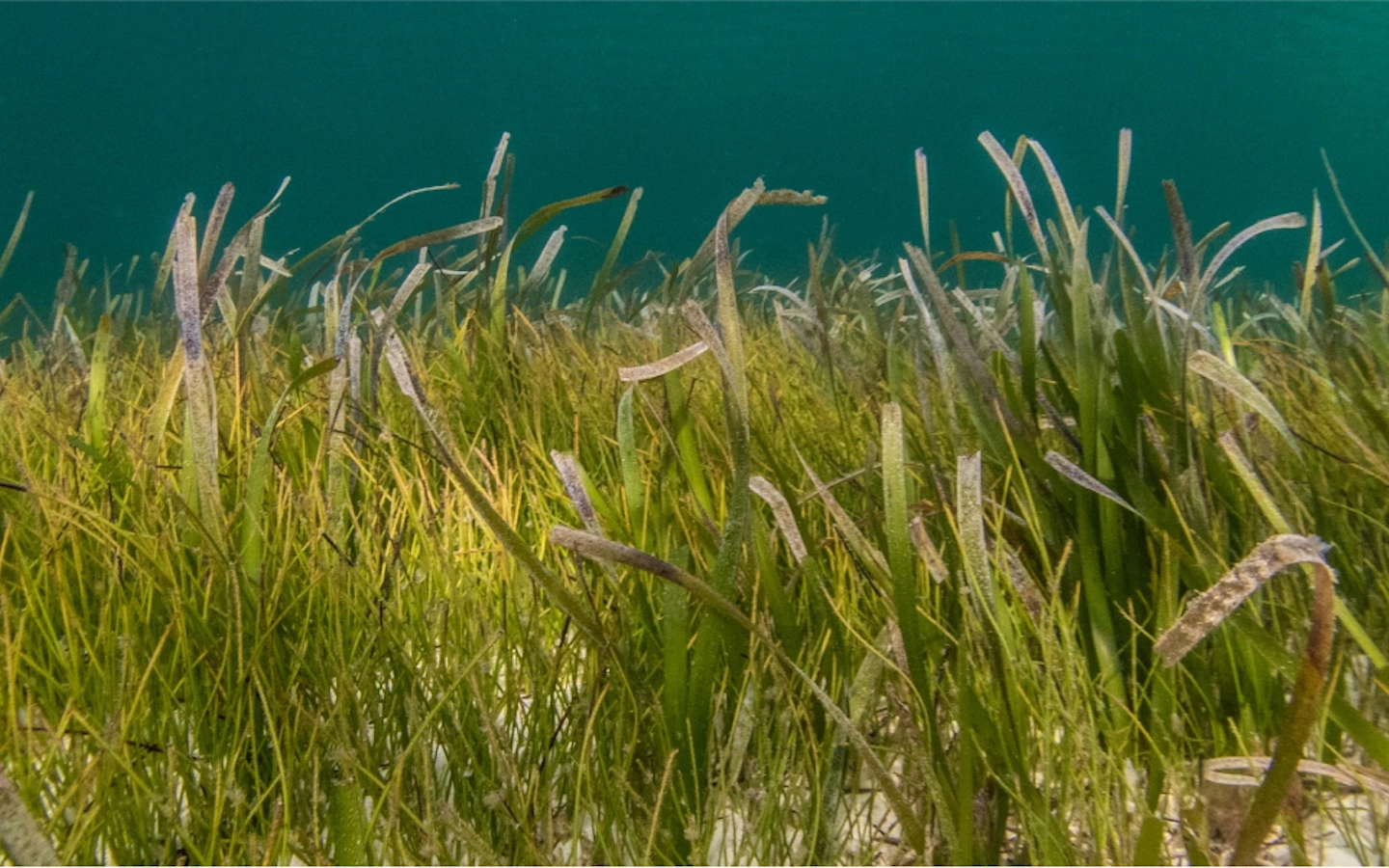
Seagrass Decline
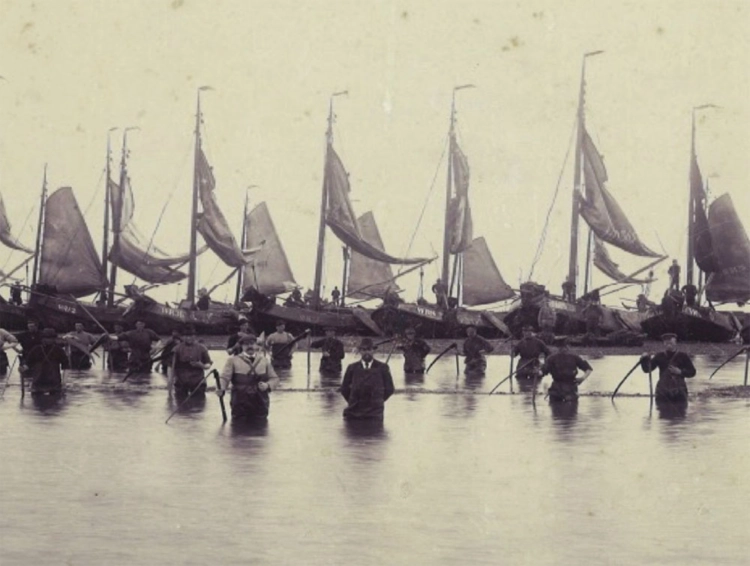
Seagrass, once abundant in coastal areas and a vital nursery for aquatic creatures, has significantly declined over the years (See unaccredited photo of organised seagrass farming in the Netherlands in early 1900’s indicating abundance in North Sea). Only a fraction of seagrass communities remain today, with the UK estimated to have lost around 60% of what remained since the outbreak of wasting disease that severely impacted seagrass communities in the 1930s. However, conservation activities in the Solent area aim to halt the continuing rate of decline over the next 10-15 years despite severe resource constraints.
“This study provided, to our knowledge, the first rapid environmental assessment of seagrass meadows throughout the British Isles. In conclusion, we find strong evidence of the perilous state of the majority of seagrass meadows sampled in the British Isles”.
– ‘The perilous state of seagrass in the British Isles’, Benjamin L. Jones and Richard K. F. Unsworth 2016